Aonpos all in one pos
  • How can self-service kiosks be configured with software mechanisms to prevent system freezes?
    How can self-service kiosks be configured with software mechanisms to prevent system freezes? Dec 19, 2025
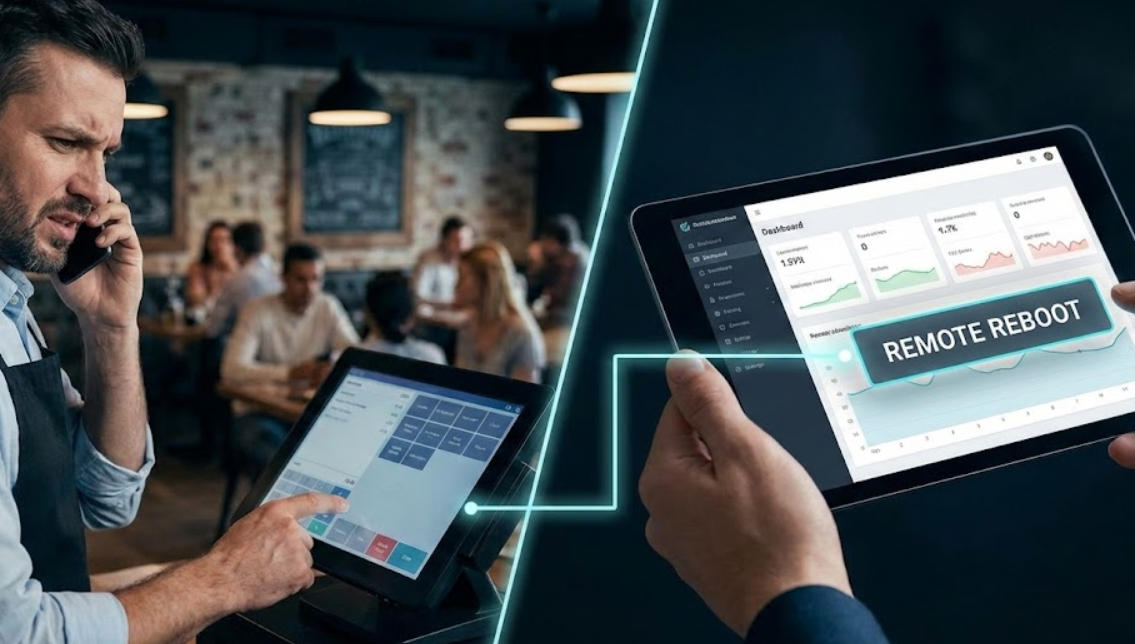
    In the world of automated retail and hospitality, a "System Out of Order" sign is more than a technical glitch—it is a lost revenue opportunity and a blow to customer trust. As self-service kiosks, like the Aonpos APK06 Series, become more complex with integrated printers, scanners, and NFC readers, the risk of software "hangs" increases. To achieve maximum uptime, businesses must move beyond high-quality hardware and implement robust software fail-safes. Here is a deep dive into the software mechanisms that prevent system freezes and keep your kiosks running 24/7. 1. Implementing Software Watchdog Timers (WDT) A Software Watchdog is the most critical line of defense for unattended terminals. It acts as an independent "guardian" process that monitors the primary application. How it works: Your main kiosk app sends a "heartbeat" signal to the Watchdog at set intervals (e.g., every 30 seconds). If the app freezes due to a memory leak or a coding loop, the heartbeat stops. The Watchdog immediately detects the silence and triggers an automatic restart of the application. The Aonpos Advantage: Devices like the Aonpos Self-Service Payment Kiosk are designed to support advanced Watchdog configurations on both Windows and Android 11, ensuring the system "self-heals" without human intervention. 2. Heartbeat Signals and Remote Monitoring While a local watchdog handles application crashes, a network-level heartbeat ensures the entire system is online. The Mechanism: The kiosk software periodically pings a central management server. If the server fails to receive a ping within a specific window, it alerts the IT team or triggers a remote power cycle via a managed PDU. Pro Tip: Use the Aonpos Kiosk SDK to integrate hardware-level status reporting. This allows your software to monitor not just the OS, but also the health of peripherals like thermal printers and QR scanners, preventing a "partial freeze" where the screen works but the payment terminal is dead. 3. Automated Maintenance and Scheduled Reboots Even the most stable software can suffer from fragmented memory over time. The Solution: Configure Automated Maintenance Windows. Setting your kiosks to perform a full system reboot at 3:00 AM clears the RAM cache, re-initializes peripheral drivers (like the built-in 80mm printers), and installs critical security patches. Best Practice: Ensure your kiosk uses a Unified Write Filter (UWF) on Windows-based Aonpos models. This keeps the OS drive in a "read-only" state, preventing disk corruption—one of the leading causes of long-term system instability. 4. Memory Capping and Resource Quotas System freezes often occur because one process consumes 100% of the CPU or RAM, "choking" the rest of the OS. The Fix: Modern kiosk software should utilize Resource Limits. By capping the kiosk application's RAM usage (e.g., to 70% of available memory), you ensure the Operating System always has enough overhead to remain responsive, allowing remote admin tools to still function even if the main app is struggling. Frequently Asked Questions (FAQ) Q1: Why do self-service kiosks experience system freezes most often? Most freezes are caused by Peripheral Conflicts (unresponsive printer drivers), Memory Leaks (apps consuming RAM over time), or Network Latency (the app "hanging" while waiting for a server response). Aonpos kiosks mitigate these issues through high-performance Intel Core i3/i5/i7 processors and optimized Android 11 firmware. Q2: Can I remotely fix a frozen kiosk? Yes. By using Remote Monitoring and Management (RMM) tools integrated with the Aonpos SDK, administrators can perform "Hard Resets" or "Soft Restarts" from a central dashboard, eliminating the need for expensive on-site technician visits. Q3: Does the Operating System affect stability? Absolutely. Windows 10 IoT and Android 11 are the industry standards for stability. Aonpos offers both configurations, allowing you to choose the platform that best fits your existing software stack while maintaining high availability. Q4: How does a modular hardware design help prevent software crashes? A modular design, like that of the APK06 model, allows peripherals to be isolated. If a printer fails, the software can be configured to simply disable the "Print" button rather than freezing the entire transaction flow, ensuring the kiosk remains partially functional. Summary: The Blueprint for 99.9% Uptime Reliability is a combination of Rugged Hardware and Smart Recovery Software. By combining the industrial-grade build of Aonpos kiosks with mechanisms like Watchdog Timers and scheduled reboots, you can ensure your customers never face a frozen screen.
  • Does the Aonpos Self-Service Machine Support Custom Sizes?
    Does the Aonpos Self-Service Machine Support Custom Sizes? Dec 18, 2025
    When integrating self-service technology into a business, "one size" rarely fits all. Whether you are dealing with limited floor space in a boutique cafe or need a high-visibility terminal in a large shopping mall, the dimensions of your hardware are critical. The Short Answer: Can I Get a Custom-Sized Kiosk? Yes. Aonpos self-service payment kiosks fully support custom sizes and configurations. We provide a range of standard screen sizes—including 15.6-inch, 21.5-inch, and 32-inch models—and offer comprehensive OEM/ODM services to customize the physical footprint, height, and mounting style of the machine to meet your specific spatial requirements. 1. Understanding Your Screen Size Options The "size" of a kiosk is usually defined by its display. At Aonpos, we offer three primary tiers designed for different user experiences: 15.6-inch (Compact): Ideal for desktop use or small-scale countertop ordering where space is at a premium. 21.5-inch (Standard): The industry "sweet spot." Large enough for high-impact visuals but compact enough for wall-mounting. 32-inch (Large Format): Best for high-traffic environments where you want to showcase high-resolution menus or advertisements. Need something else? Through our ODM service, we can discuss specific panel requirements for niche applications. 2. Beyond the Screen: Customizing the Physical Footprint The "size" of a self-service machine isn't just about the screen; it’s about how it fits into your architecture. We offer three main form factors that can be adjusted: Wall-Mounted Kiosks: Zero-footprint solutions that save floor space. We can customize the depth of the enclosure to ensure it complies with local accessibility or safety regulations. Floor-Standing Kiosks: We can adjust the height of the pedestal to ensure ergonomic comfort for your specific demographic (e.g., lower heights for children’s play centers or standard heights for retail). Desktop/Countertop Kiosks: Compact bases designed to sit alongside traditional POS systems. 3. How Peripherals Affect Kiosk Size A unique feature of the Aonpos Kiosk Series is the modular peripheral support. Adding hardware will change the profile of your machine: Printers: Choice of 58mm or 80mm thermal printers. Payment Terminals: Custom brackets to fit your specific POS provider (Ingenico, Verifone, etc.). Scanners: Integrated 1D/2D barcode and QR code scanners. Cameras: Optional 3D face-recognition cameras for secure payments. Pro Tip: If you have a specific peripheral that must be integrated, our engineering team can modify the kiosk housing to fit that device perfectly. 4. Why Choose a Bespoke Size for Your Business? Opting for a custom-sized self-service machine provides several strategic advantages: Space Optimization: Maximize revenue per square foot by fitting kiosks into "dead zones" like pillars or narrow hallways. Brand Consistency: We can customize the color, logo, and physical shape to match your interior design. Improved UX: Placing the screen at the exact "eye-line" of your customers reduces fatigue and increases order accuracy. Frequently Asked Questions (FAQ) What is the lead time for a custom-sized kiosk? Standard models are available for rapid shipping. For custom OEM/ODM designs involving structural changes, the timeline typically includes a 1-2 week design phase followed by production. Can I change the height of a floor-standing model? Yes. We can modify the pedestal height during the manufacturing process to ensure it meets your specific ergonomic needs or ADA compliance requirements. Does a custom size affect the software? No. Our kiosks support Windows and Android operating systems. The software automatically scales to fit the resolution of the chosen screen size, ensuring a seamless user experience.
  • What are the different installation options for self-service kiosks? (Wall-mounted / Freestanding / Desktop)
    What are the different installation options for self-service kiosks? (Wall-mounted / Freestanding / Desktop) Dec 17, 2025
    In the modern business landscape, efficiency is everything. Integrating a self-service payment kiosk can reduce labor costs, eliminate long queues, and improve order accuracy. However, choosing the right hardware is only half the battle—choosing the right installation method is what determines how effectively your customers interact with your brand. At Aonpos, our flagship modular solutions like the APK06 Series are designed to adapt to various environments. Below, we break down the three primary installation options to help you decide which is right for your space. 1. Wall-Mounted Kiosks: The Ultimate Space Saver Wall-mounted kiosks are directly attached to a vertical surface, making them the gold standard for high-traffic areas with limited floor space. Best For: Narrow hallways, small retail shops, and pharmacies. The Aonpos Advantage: Our wall-mount-ready terminals feature sleek, durable aluminum designs that blend seamlessly into modern décor. Why Choose It? Zero Footprint: Frees up 100% of your floor space for customer movement. High Security: Being bolted to a structural wall makes these units nearly impossible to tamper with or move. Custom Height: You can install them at the perfect ergonomic height for your specific customer base, including ADA-compliant heights for accessibility. 2. Freestanding Kiosks: Maximum Visibility & Functionality Freestanding (or floor-standing) kiosks are independent structures that stand on a pedestal or base. They are "beacons" that naturally draw customer attention in open areas. Best For: Large restaurant lobbies, airport check-ins, and shopping mall wayfinding. The Aonpos Advantage: The Aonpos Floor Stand Ordering Kiosk supports large screen sizes (up to 32 inches) and can house heavy-duty 80mm thermal printers and NFC payment modules within the stand itself. Why Choose It? 360-Degree Visibility: They catch the eye from across a large room, encouraging "self-service first" behavior. Component Storage: The large base allows for more peripherals, such as cash recyclers or high-capacity ticket printers. Flexibility: While stable, they can be repositioned during store renovations without structural wall repairs. 3. Desktop & Countertop Kiosks: Portable & Versatile Desktop kiosks sit on existing counters or desks. They are ideal for businesses that want to modernize their Point of Sale (POS) without a full construction project. Best For: Cafés, hotel receptions, and boutique "manned" service counters. The Aonpos Advantage: Our APK06 Modular Desktop Kiosk is a groundbreaking device. Its modular design allows businesses to swap out screens (15.6" to 23.8") and components to meet changing needs. Why Choose It? Lowest Installation Cost: Simply place it on the counter and plug it in. No drilling or structural work required. Human-Tech Hybrid: Perfect for environments where a staff member is nearby to assist, creating a more personalized high-tech experience. Waterproof Options: Aonpos offers waterproof modern designs, essential for the demanding food and beverage industry. Comparison Table: At-a-Glance Feature Wall-Mounted Freestanding Desktop / Countertop Space Required Minimal (0 Floor Space) Significant Floor Space Moderate Counter Space Installation Difficulty Medium (Professional) Medium (Assembly) Low (Plug-and-Play) Visibility Moderate Very High Low/Moderate Typical Screen Sizes 15.6" - 21.5" 21.5" - 32" 15.6" - 23.8" Aonpos Model APK07 / PK1851 APK06 / Floor Stand APK06 Desktop Frequently Asked Questions (FAQ) Q: Can one kiosk support multiple installation types? A: Yes! The Aonpos APK06 is a modular system. It is specifically designed to be "groundbreaking" by allowing the same core unit to be deployed as either a desktop or a floor-standing model, depending on the modules you choose. Q: How do I handle cable management for a clean look? A: For wall-mounted and freestanding units, Aonpos kiosks feature internal routing channels. This hides power and internet cables inside the enclosure, preventing accidental unplugging and maintaining a professional aesthetic. Q: What technical specs should I look for in a payment kiosk? A: Ensure your kiosk has a capacitive touch screen for responsiveness, a high-performance CPU (like the i3/i5 or RK3568 options in the APK series), and integrated NFC/Printer support to handle all-in-one transactions. Conclusion Choosing between wall-mounted, freestanding, or desktop kiosks depends on your floor plan and customer flow. Whether you need the space-saving power of a wall-mount or the modular flexibility of the Aonpos APK06, we have the hardware to scale your business. Explore the full Aonpos Self-Service Kiosk Range Here
  • Does the Self-Service Machine Support OCR, ID Card Reading, and Barcode Scanning?
    Does the Self-Service Machine Support OCR, ID Card Reading, and Barcode Scanning? Dec 16, 2025
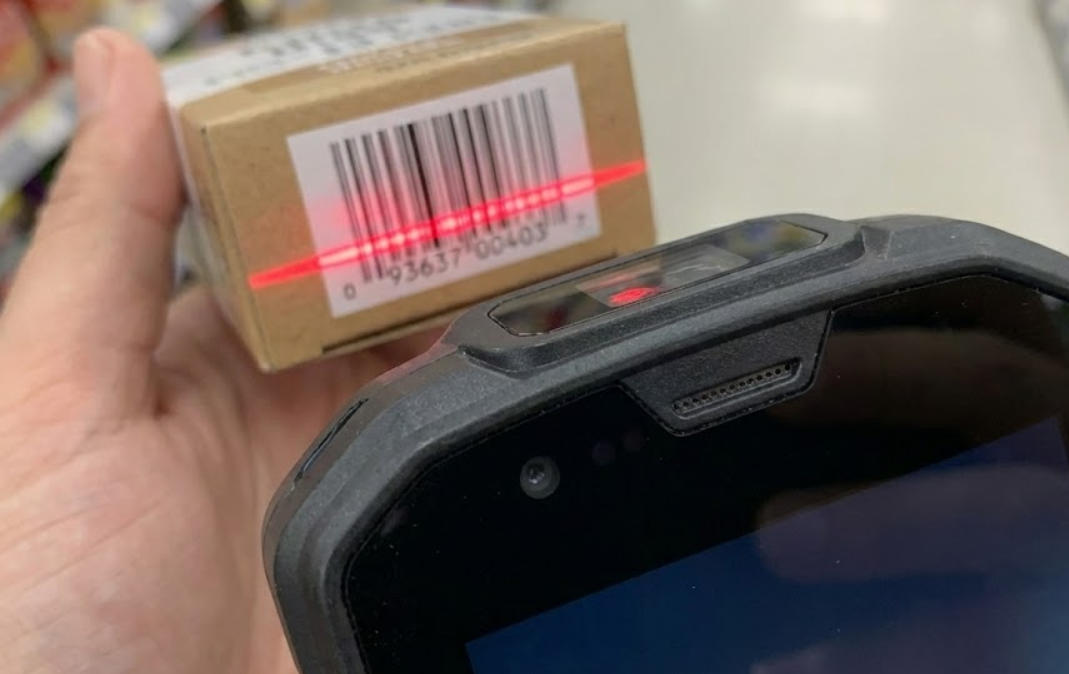
    Unlocking Self-Service Kiosk Potential: Full Support for OCR, ID Card Reading, and 1D/2D Barcode Scanning The modern self-service machine is far more than just a payment terminal—it is a sophisticated data capture hub. For businesses deploying solutions for age verification, secure check-in, or enhanced inventory management, the question is no longer if a kiosk supports essential technologies, but how effectively it integrates them. At Aonpos, our self-service payment kiosks and modular terminals—such as the advanced APK06 series—are engineered from the ground up to integrate high-performance Optical Character Recognition (OCR), secure ID card reading, and versatile 1D/2D barcode scanning capabilities. Below, we detail how these three technologies function within your self-service environment to create seamless, secure, and efficient customer experiences. 1. Optical Character Recognition (OCR): Digitizing Every Document OCR is the foundational technology that allows a machine to "read" human-printed text. It is critical for processing identity documents and receipts that do not rely solely on a barcode or magnetic strip. The Power of Precision Scanning OCR is executed via an integrated camera or dedicated scanning module that captures a high-resolution image. Specialized software then extracts the text data, converting the visual pattern into digital, queryable text. Targeting the MRZ: For international travel or government applications, OCR is essential for reading the Machine Readable Zone (MRZ)—the standardized text block found on the bottom of passports and certain ID cards. Our solutions are designed for ICAO 9303 compliance, ensuring compatibility with global travel documents and exceptionally high reading accuracy. Reading the VIZ: OCR also handles the Visual Inspection Zone (VIZ), which is the standard printed text (name, address, date of birth) on an ID card or form, making it possible to capture data from non-standardized or locally issued documents. High-Performance OCR Accuracy: In a high-volume self-service environment, speed and accuracy are paramount. Aonpos Kiosk solutions prioritize imaging hardware and intelligent algorithms that maintain an OCR accuracy rate typically exceeding 95%, minimizing user frustration from repeat scans. 2. Secure ID Card and Identity Document Reading Integrating ID card reading moves beyond simple data capture; it involves comprehensive identity verification and fraud prevention—essential steps for applications like guest check-in, age-restricted purchases, or membership enrollment. Multi-Layered Verification for Fraud Prevention A truly effective ID card reader in a self-service kiosk uses multiple verification methods simultaneously: Verification Method Purpose in a Self-Service Kiosk Data Extraction (OCR/Barcode) Rapidly pulls and parses data from the front (VIZ) and back (PDF417 barcode) of a driver’s license or ID. Document Authentication (IR/UV) Scans the document under Infrared (IR) and Ultraviolet (UV) light to instantly check for embedded security features, detecting sophisticated fake IDs. Biometric/Chip Reading (RFID) Utilizes RFID (Radio Frequency Identification) technology to securely read biometric and encrypted data from electronic passports (e-Passports) or e-IDs, a standard for highly secure transactions. Prioritizing Data Privacy and Compliance Handling sensitive PII (Personally Identifiable Information) requires robust security architecture. Our modular kiosks are designed to ensure data is processed with encryption protocols, meeting international standards such as GDPR and CCPA, building trust with your customer base. 3. Versatile 1D and 2D Barcode Scanning Barcode scanning is the most common form of data input for self-service terminals, whether used for checking out retail items, validating digital coupons, or scanning mobile boarding passes. The Superiority of 2D Area Imagers While older kiosks relied on 1D laser scanners (which only read traditional linear barcodes), our current-generation Aonpos kiosks incorporate high-speed 2D Area Imagers. This technology provides substantial advantages: Total Versatility: The 2D imager can read every major barcode symbology, including standard 1D barcodes (UPC, Code 128), as well as complex 2D formats (QR Codes, Data Matrix, and PDF417). Scan-from-Screen Capability: The imaging sensor allows the kiosk to accurately read barcodes, QR codes, and digital passes displayed on customer smartphones or tablets, eliminating friction caused by printed tickets. Omnidirectional Scanning: Unlike linear scanners, 2D imagers can read the code regardless of its orientation. This omnidirectional scanning capability is key to ensuring a fast, fumble-free self-checkout or check-in process, drastically improving customer flow. Integration is Key: Kiosk-Optimized Hardware Our Aonpos Self-service Kiosk solutions, like the customizable APK06, integrate high-performance scanners directly into the terminal housing. This ensures seamless operation with the kiosk's core operating system (Android or Windows), guaranteeing that data captured by the scanner is instantly passed to your POS, inventory, or CRM software. Ready to Upgrade Your Self-Service Capabilities? By choosing a self-service solution with robust, integrated OCR, ID card reading, and barcode scanning, you invest in a future-proof terminal that enhances security, speeds up transactions, and significantly improves the customer experience. For more information on our modular kiosk solutions and integrated hardware options, please visit the official Aonpos website.
  • Can Your Self-Service Equipment Operate 24 Hours a Day?
    Can Your Self-Service Equipment Operate 24 Hours a Day? Dec 15, 2025
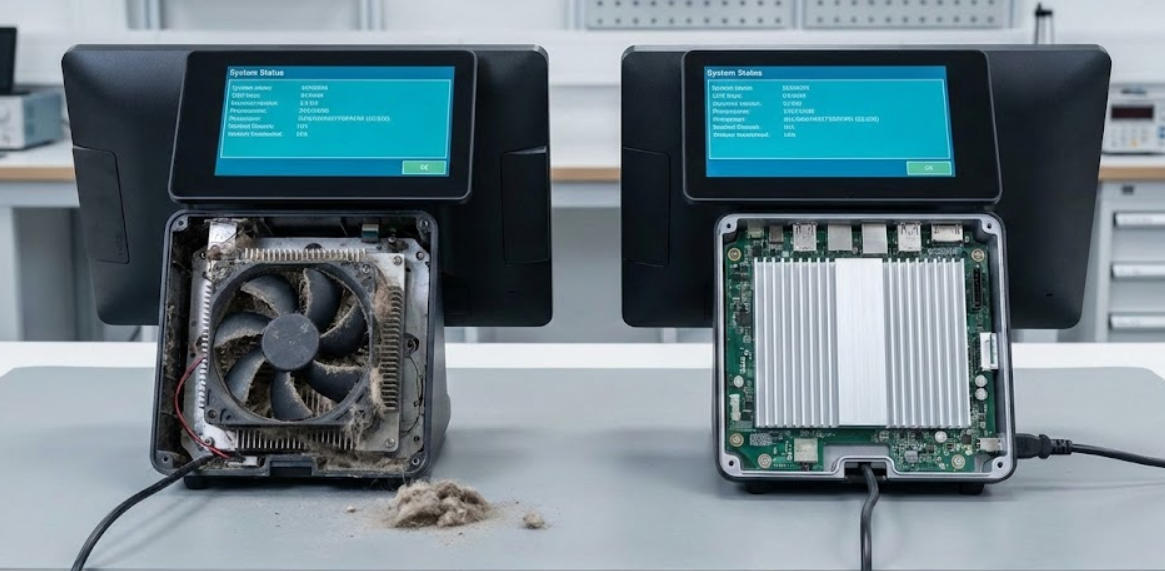
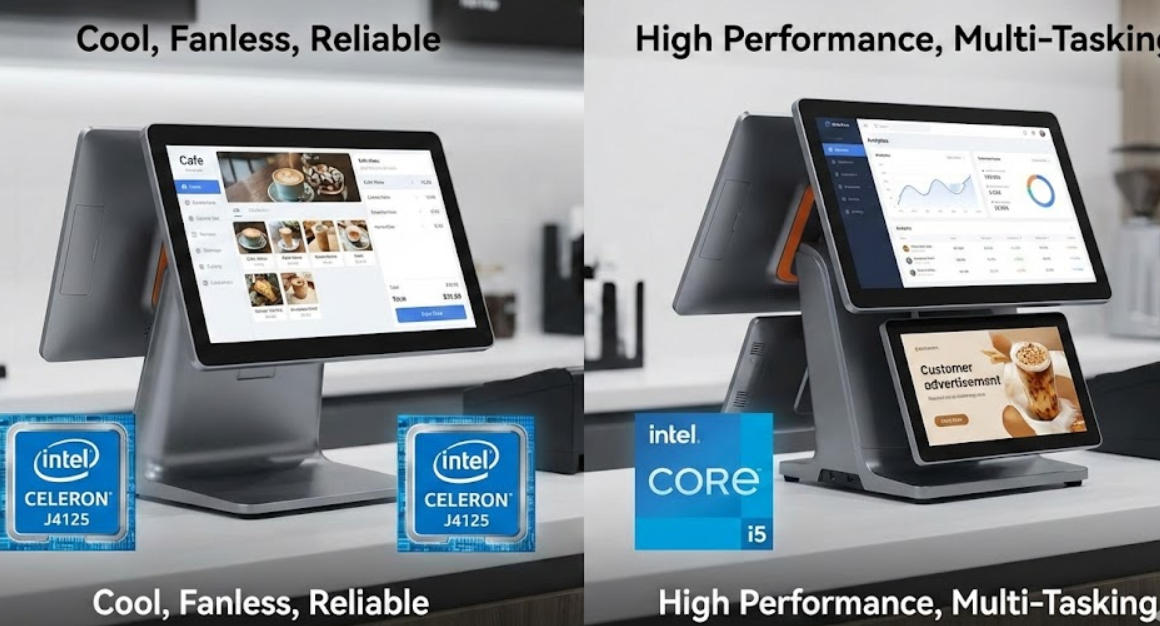
    Yes, Self-Service Kiosks Can Run 24/7—Here’s What Guarantees Uninterrupted Uptime The core promise of self-service equipment is accessibility. Whether you operate a restaurant, a retail store, or a payment facility, the ability to serve customers around the clock—long after staff have gone home—is the defining feature of these solutions. So, can your self-service kiosk truly operate 24 hours a day, 7 days a week, 365 days a year? The definitive answer is yes, provided the equipment is engineered for continuous uptime. Achieving true 24/7 service involves three critical pillars: hardware built for endurance, software designed for stability, and an operational strategy focused on proactive maintenance. 1. The Hardware Foundation: Built for Perpetual Endurance A commercial kiosk is not a consumer PC. The components used must be industrial-grade to withstand constant power cycles, environmental fluctuations, and user interaction. This is the starting point for achieving continuous uptime. A. Industrial-Grade Core Components High-traffic use requires components that are designed to handle high duty cycles without failure: Processors and Memory: Equipment relies on robust, reliable CPUs (such as the Intel J4125/I3/I5 series found in Aonpos kiosks) and DDR memory to manage thousands of transactions daily without performance degradation. Solid-State Drives (SSDs): Unlike traditional hard disk drives (HDDs), the use of mSATA SSDs eliminates moving parts, reducing heat generation and dramatically improving speed and reliability against vibration and constant usage cycles. Capacitive Touchscreens: Modern kiosks utilize true-flat, 10-point capacitive touch screens that are highly durable, resistant to wear and tear, and designed for millions of touches. B. Thermal and Environmental Resilience Running non-stop means managing heat, which is the enemy of electronics. Quality self-service equipment incorporates: Optimized Cooling Systems: Internal cooling is precisely engineered to maintain temperatures within a safe operating range, ensuring components do not prematurely fail due to heat stress. Durable Chassis Design: Kiosks are often constructed with rugged materials like Aluminum Alloy and ABS Plastic, offering physical protection and acting as a passive thermal sink. Wide Operating Temperature Ranges: Industrial-grade devices are verified to operate reliably across real-world temperatures, often rated to handle environments from 0°C up to 40°C. 2. The Software Engine: Designed for Unbreakable Flow Even the most robust hardware can fail if the operating software is unstable. Continuous operation is guaranteed by smart software design. A. Watchdog Systems and Crash Recovery A high-availability system must be able to heal itself instantly. Intelligent kiosk software includes: Automatic Restarts: A software "watchdog" constantly monitors the primary application. If the application freezes or crashes for any reason, the watchdog immediately forces a silent restart of the application or the operating system, often restoring service within seconds without requiring human intervention. Non-Intrusive Updates: To maintain service, critical updates and patches are scheduled during periods of minimal traffic (typically early morning hours) or are designed to be deployed in the background without forcing a service disruption or reboot. B. Remote Monitoring and Fault Alarms The ability to run 24/7 means being able to detect problems instantly, even if the location is unmanned. Intelligent Management: Advanced kiosks are equipped with cloud-based systems that provide remote monitoring and fault alarms. If a component fails (e.g., a printer runs out of paper or a payment peripheral disconnects), the system instantly sends an alert to the operator's support dashboard. Proactive Diagnostics: System logs and performance data are continuously analyzed to spot performance bottlenecks or potential hardware issues before they become critical failures, allowing for preventive maintenance. 3. The Operational Blueprint: Maintaining Perpetual Service While the technology enables 24/7 operation, the operator's strategy sustains it. A successful continuous service model relies heavily on logistics and proactive support. A. Scheduled Consumable and Quick Maintenance Checks Certain components are designed to run out of material—namely the printer. Modular Design for Service: Aonpos kiosks often feature a modular design that makes maintenance fast and easy. Components like thermal printers or scanners are designed to be accessed and swapped out quickly, reducing service downtime. Quick Reloads: Scheduled 3-minute checks for refilling consumables like receipt paper or cleaning the screen keep the machine ready. By integrating these checks into low-traffic times, the machine’s availability remains virtually uninterrupted. B. Dedicated 24-Hour Support Reliability is backed by the promise of immediate support. Reputable manufacturers offer: 24-Hour Standby and Technical Guidance: Access to technical staff for remote troubleshooting is essential. The manufacturer's team should be on 24-hour standby to guide customers through simple fixes or initiate remote diagnostics, minimizing field service visits. The Takeaway: From Availability to Reliability The answer to "Can the self-service equipment operate 24 hours a day?" is an emphatic Yes, but only when it is rooted in industrial-grade hardware, intelligent fault-recovery software, and streamlined maintenance protocols. Choosing a partner like Aonpos, which engineers its kiosks specifically for 7*24 hours uninterrupted service, ensures your business truly capitalizes on the benefits of self-service: maximized revenue and unrivaled customer convenience.
  • How do I enable VPN/firewall settings on the self-service kiosk?
    How do I enable VPN/firewall settings on the self-service kiosk? Dec 13, 2025
    The Definitive Guide to Configuring VPN and Firewall Settings on a Self-Service Kiosk Enabling VPN and firewall settings on a self-service kiosk involves two critical security steps: first, accessing the Host Firewall (e.g., Windows Defender or iptables) with administrative rights to define strict inbound and outbound port rules; and second, installing and configuring a robust VPN client to automatically establish an encrypted tunnel upon system boot. This dual configuration ensures sensitive payment data is protected in transit, adhering to crucial mandates like PCI DSS compliance. 1. Why VPN and Firewall are Non-Negotiable for Kiosk Security A self-service kiosk, especially one that handles payment or personally identifiable information (PII), is an internet-connected endpoint and a prime target for cyber threats. Proper network configuration is the first line of defense. The Role of the Firewall The firewall acts as a bouncer, regulating all incoming and outgoing network traffic. Minimizing Attack Surface: Kiosks typically run a single application. The firewall is used to block all ports except the handful necessary for operation (e.g., HTTPS on port 443, DNS on port 53). Securing Remote Management: If you manage your kiosk fleet remotely (via RDP, SSH, or VNC), the firewall ensures that the management port is only accessible from your specified internal IP range or through the secured VPN tunnel. Default-Deny Policy: Best practice dictates a "Default-Deny" rule: block everything, then explicitly allow only what is absolutely necessary. The Role of the VPN (Virtual Private Network) The VPN provides an encrypted tunnel for data transmission, ensuring that data sent between the kiosk and your backend servers is completely shielded from snooping or interception. PCI DSS Compliance: If your kiosk processes credit card data, the VPN is often a necessary component for meeting PCI DSS requirements for network segmentation and secure data transmission. IP Masking & Network Segmentation: The VPN can route all kiosk traffic through a central, trusted corporate gateway, making the kiosk effectively part of your private internal network, segmented from the public internet. 2. Prerequisites: Preparing for Configuration Before touching any settings, gather these essential items: Requirement Description Administrative Credentials You must have the administrator username and password for the kiosk's Operating System (e.g., Windows Professional, Linux). Standard user accounts will not suffice. VPN Configuration Files Obtain the necessary files from your VPN provider: usually a client installer, configuration files (.ovpn, .conf), and any required certificates or key files. Approved Port List A definitive list of specific ports that the kiosk must use (e.g., 443 for API calls, 80 for updates, 22 for SSH management). Static IP Address Ideally, the kiosk should have a static internal IP address or a reserved DHCP address for easier firewall rule creation. 3. Step-by-Step Guide: Implementing the Host Firewall This guide is generalized for common operating systems like Windows and Linux. 3.1. Accessing the Firewall Interface Windows: Open Windows Defender Firewall with Advanced Security (Search: wf.msc). Linux (iptables/ufw): Use command-line tools like sudo ufw enable and sudo ufw status. 3.2. Configuring Inbound Rules (Defense) Inbound rules block unwanted connections trying to reach the kiosk. Navigate to Inbound Rules. Create a Rule to Block All Traffic: If your OS does not have a "Default Deny," create a custom rule to block all traffic (ports, protocols, profiles) and ensure it is the highest priority. Create "Allow" Rules: Create new, high-priority rules for essential services: Management: Allow only RDP (3389) or SSH (22) traffic, and specify the remote IP address of your network admin machine or central server—not the public internet. VPN Tunnel: Allow the specific port used by your VPN protocol (e.g., UDP 1194 for OpenVPN or UDP 500/4500 for IPsec). 3.3. Configuring Outbound Rules (Control) Outbound rules prevent malware or rogue applications from sending data out. Navigate to Outbound Rules. Block All by Default: Create a rule to deny all outbound traffic. Create "Allow" Rules for Essentials: Allow traffic to your Application Server IP on HTTPS (443). Allow traffic to the VPN Gateway IP on the specified VPN port. Allow necessary DNS queries (usually UDP 53). 4. Step-by-Step Guide: Configuring the VPN Client The VPN configuration must be seamless, resilient, and invisible to the end-user. 4.1. Install the VPN Client Install the client (e.g., OpenVPN, Cisco AnyConnect, WireGuard) using the administrative account. Do not use an integrated OS client unless it supports all necessary corporate features. 4.2. Crucial Auto-Connect Settings The VPN must always be active. A manual connection is a security vulnerability waiting to happen. Enable System Service: Ensure the VPN client is configured to run as a System Service and not a user-level application. Auto-Start on Boot: Set the client to automatically launch and attempt connection immediately after the operating system loads. Persistent Connection: Configure the client's settings or its configuration file to aggressively Auto-Reconnect if the tunnel drops for any reason. 4.3. Implement a VPN Kill Switch A "Kill Switch" or equivalent setting ensures that if the VPN connection fails, the kiosk's application is blocked from accessing the internet directly. Best Practice: Use a firewall rule that only allows traffic to exit the machine if it is coming from the VPN's virtual network adapter. If the VPN drops, the virtual adapter disappears, and traffic cannot pass. 5. Post-Configuration Verification and Auditing The setup is not complete until you verify that the security measures are working. Reboot the Kiosk: Perform a full power cycle to ensure the VPN client and firewall rules correctly load before the kiosk application. Verify External IP: After the kiosk boots, use a diagnostic tool or a browser to check its external IP address (e.g., search "What is my IP"). The displayed address must be the IP address of your corporate VPN gateway, not the local site's ISP address. Negative Test (Firewall Audit): Attempt to ping or connect to a completely unrelated, non-essential external service (e.g., a random public web server). The connection should be immediately blocked by the outbound firewall rule. Check Logs: Review the system logs and the VPN client logs for any "connection failed" or "dropped packet" errors to ensure stability.
  • What should I do if the self-service machine's camera cannot recognize my identification document?
    What should I do if the self-service machine's camera cannot recognize my identification document? Dec 11, 2025
    Encountering an "ID not recognized" error at a self-service machine can be frustrating. These kiosks rely on highly sensitive cameras to verify the security features and machine-readable zones on your identification document. In most cases, the issue is environmental, not electronic. Before calling for assistance, follow this comprehensive, step-by-step guide to quickly troubleshoot and fix common ID scanning failures. 1. Immediate Steps: Fix the Environment and Positioning Follow these quick steps, as glare and smudges account for over 80% of self-service machine scanning errors. Step 1: Check the Document and Scanner Lens The camera cannot read what it cannot see clearly. Clean Your ID: Use a soft, dry cloth or tissue to gently wipe the entire surface of your identification (e.g., driver's license, passport card). Pay special attention to the photo area and the machine-readable code, as fingerprints cause reflection (glare). Wipe the Scanner: If safe and accessible, use a clean cloth to gently wipe the glass or plastic cover over the machine's camera/scanner lens. Dust and residue easily collect here. Step 2: Eliminate Glare and Adjust Positioning Ambient light interference is a major cause of document scanner errors. Shield from Light: If the kiosk is near a window or bright overhead light, use your body or hand to cast a shadow over the ID while it is on the scanning bed. Direct light creates bright spots that obscure holographic security features. Ensure Flatness: Place the ID completely flat against the scanning surface. If the card is warped or bent, the camera struggles to focus evenly across the entire document. Center the Scan: Ensure the document is perfectly centered and aligned within the designated white guides or outline on the scanner bed. Hold Still: Once placed, keep your hands clear and ensure the ID remains absolutely still for the duration of the scan (usually 3–5 seconds). Movement results in a blurred image. 2. Document-Specific Troubleshooting Sometimes, the issue lies with the physical condition or type of document itself. Damaged/Worn IDs: If your laminated ID is peeling, heavily scratched, or the plastic film is separating, the damage may be distorting the data, leading to a permanent ID verification failure. You may need to use an alternate, undamaged document. Temporary Paper IDs: If you are using a temporary paper ID, it must be completely flat. If the edges lift, gently hold them down during the scan without covering the data. Paper documents are susceptible to folding or bending, which the scanner interprets as damage. Unsupported Documents: Ensure you are using an accepted form of ID. For instance, the machine may only be programmed to recognize the standard size and format of a State Driver's License and might not accept documents like a library card or a foreign work permit. 3. Escalation and Getting Assistance If you have tried the steps above and the machine still cannot read your identification, you need to call for help. Action Goal Detail Retry Once Rule out a simple software glitch. If the machine prompts "Try Again," attempt one final scan after confirming the document is clean and flat. Note the Machine ID Expedite technician support. Locate the unique identifier (e.g., APK06 or APK02) usually displayed prominently on the screen or body of the kiosk. Provide this number when you call. Call for On-Site Help Resolve the hardware failure. Use the dedicated "Call for Assistance" button on the machine for immediate support. The machine may require a remote reset. Key Takeaway: If the machine fails consistently, the camera itself may be misaligned or dirty internally. Providing the support staff with the Machine ID is the fastest way to get the problem fixed.
  • What should I do if the self-service machine's camera cannot recognize my identification document?
    What should I do if the self-service machine's camera cannot recognize my identification document? Dec 11, 2025
    Encountering an "ID not recognized" error at a self-service machine can be frustrating. These kiosks rely on highly sensitive cameras to verify the security features and machine-readable zones on your identification document. In most cases, the issue is environmental, not electronic. Before calling for assistance, follow this comprehensive, step-by-step guide to quickly troubleshoot and fix common ID scanning failures. 1. Immediate Steps: Fix the Environment and Positioning Follow these quick steps, as glare and smudges account for over 80% of self-service machine scanning errors. Step 1: Check the Document and Scanner Lens The camera cannot read what it cannot see clearly. Clean Your ID: Use a soft, dry cloth or tissue to gently wipe the entire surface of your identification (e.g., driver's license, passport card). Pay special attention to the photo area and the machine-readable code, as fingerprints cause reflection (glare). Wipe the Scanner: If safe and accessible, use a clean cloth to gently wipe the glass or plastic cover over the machine's camera/scanner lens. Dust and residue easily collect here. Step 2: Eliminate Glare and Adjust Positioning Ambient light interference is a major cause of document scanner errors. Shield from Light: If the kiosk is near a window or bright overhead light, use your body or hand to cast a shadow over the ID while it is on the scanning bed. Direct light creates bright spots that obscure holographic security features. Ensure Flatness: Place the ID completely flat against the scanning surface. If the card is warped or bent, the camera struggles to focus evenly across the entire document. Center the Scan: Ensure the document is perfectly centered and aligned within the designated white guides or outline on the scanner bed. Hold Still: Once placed, keep your hands clear and ensure the ID remains absolutely still for the duration of the scan (usually 3–5 seconds). Movement results in a blurred image. 2. Document-Specific Troubleshooting Sometimes, the issue lies with the physical condition or type of document itself. Damaged/Worn IDs: If your laminated ID is peeling, heavily scratched, or the plastic film is separating, the damage may be distorting the data, leading to a permanent ID verification failure. You may need to use an alternate, undamaged document. Temporary Paper IDs: If you are using a temporary paper ID, it must be completely flat. If the edges lift, gently hold them down during the scan without covering the data. Paper documents are susceptible to folding or bending, which the scanner interprets as damage. Unsupported Documents: Ensure you are using an accepted form of ID. For instance, the machine may only be programmed to recognize the standard size and format of a State Driver's License and might not accept documents like a library card or a foreign work permit. 3. Escalation and Getting Assistance If you have tried the steps above and the machine still cannot read your identification, you need to call for help. Action Goal Detail Retry Once Rule out a simple software glitch. If the machine prompts "Try Again," attempt one final scan after confirming the document is clean and flat. Note the Machine ID Expedite technician support. Locate the unique identifier (e.g., APK06 or APK02) usually displayed prominently on the screen or body of the kiosk. Provide this number when you call. Call for On-Site Help Resolve the hardware failure. Use the dedicated "Call for Assistance" button on the machine for immediate support. The machine may require a remote reset. Key Takeaway: If the machine fails consistently, the camera itself may be misaligned or dirty internally. Providing the support staff with the Machine ID is the fastest way to get the problem fixed.
  • Mastering Kiosk Performance: Why Your Self-Service Screen is Lagging?
    Mastering Kiosk Performance: Why Your Self-Service Screen is Lagging? Dec 10, 2025
    Introduction: The Cost of Sluggish Service In the world of self-service, a smooth, instantaneous touch screen experience isn't a luxury—it's a critical operational necessity. Whether you manage public information kiosks, industrial HMIs (Human-Machine Interfaces), or automated retail terminals, a slow or unresponsive display directly translates to frustrated users, increased transaction abandonment, and higher maintenance costs. If you’re struggling with persistent screen lag, inaccurate touch points, or the dreaded intermittent unresponsiveness on your self-service machines, this guide provides a deep-dive into the nine primary culprits and offers actionable troubleshooting steps to restore peak performance. Part 1: The Physical & Environmental Culprits (External Check) Before diving into complex hardware or software diagnostics, start with the easiest and most overlooked causes of touch screen failure: the physical environment and the screen itself. 1. Screen Grime and Touch Sensor Interference The Problem: Accumulated dust, fingerprints, and sticky residues act as an unintended barrier on the display surface. This interference is particularly problematic for modern Capacitive Touch Screens (PCAP), which rely on registering the minute electrical change caused by human touch. Debris can disrupt this electrical field, resulting in missed taps or a perceived slow response because the touch controller has to work harder to register the input. The Fix: Implement a strict screen cleaning protocol. Power off the unit and use a gentle, ammonia-free screen cleaner and a soft microfiber cloth. Crucially, pay attention to the screen’s bezel and edges, where dirt and liquid often collect and can obstruct the touch array. 2. Thermal Throttling: The Effect of Extreme Temperatures The Problem: Self-service machines often operate in non-climate-controlled environments. Extreme heat (e.g., direct sunlight, poor enclosure ventilation) causes the internal components—the CPU, GPU, and touch controller—to overheat. The system then intentionally slows itself down (known as thermal throttling) to prevent permanent damage, leading to massive performance drops and severe input lag. Similarly, extreme cold can slow the liquid crystals in the LCD panel, causing visual lag. The Fix: Ensure the enclosure has ample and unobstructed ventilation ports. If the machine is outdoors, consider specialized protective enclosures with active cooling fans or, if budget permits, integrated air conditioning units to maintain an optimal internal operating temperature (usually below $40^\circ \text{C}$). 3. Physical Panel Damage and Dead Zones The Problem: Deep scratches, cracks, or impact damage directly compromises the integrity of the touch panel. For older Resistive Screens, this prevents the internal layers from making contact. On Capacitive Screens, it can break the conductive circuit. This often manifests as specific, non-functional areas—dead zones—or erratic, random inputs. The Fix: If damage is identified, the solution is typically a touch panel replacement. If the machine is subjected to heavy use or vandalism, consider upgrading to a screen with enhanced durability, such as one featuring IK-rated protective glass. Part 2: Hardware & Connectivity Diagnostics If the surface is clean and the temperature is stable, the next area to investigate is the internal connectivity and calibration. 4. Inaccurate Input Mapping and Calibration Loss The Problem: When a touch is registered in the wrong location (i.e., tapping 'A' registers as 'B'), the screen has lost its calibration. The system is failing to accurately map the physical coordinate of your finger to the corresponding digital coordinate on the display. This is a common issue that makes the system feel incredibly slow and frustrating. The Fix: The unit needs a touch screen recalibration. Access the device's operating system settings or the touch controller's proprietary utility software to run the calibration sequence. This often involves tapping a series of targets on the screen to reset the accurate touch matrix. 5. Loose or Faulty Internal Cabling The Problem: Self-service machines are subject to constant handling and vibration. This movement can cause the vital internal cables—connecting the touch controller board to the main PC via USB, serial, or HDMI/DisplayPort—to loosen or the contact pins to become corroded. A loose cable results in intermittent failure, flickering, or highly erratic and unpredictable phantom touches. The Fix: Perform a physical audit. Power down the machine and carefully inspect and reseat all internal data and power cables, ensuring they are securely fastened to both the host computer and the touch controller. Part 3: The Software and System Performance Drain Finally, the most complex issues often reside in the operating system and the application itself. 6. Application-Driven System Resource Exhaustion The Problem: If the screen only lags when the main service application is running, the app itself is likely consuming too many resources. This could be due to a programming memory leak, inefficient code, or graphically intense animations that push the CPU or RAM to its limit. When the computer's resources are maxed out, it cannot process the touch input buffer in real-time, causing severe input lag. The Fix: Monitor the system using the Task Manager or system monitor utility to identify the resource-heavy process. If the application is the culprit, a simple system or application restart can temporarily clear the memory. For a long-term solution, the application itself may require optimization or patching. 7. Outdated or Incompatible Touch Screen Drivers The Problem: The touch screen driver acts as the crucial translator between the physical touch controller and the operating system. An outdated, corrupt, or incompatible driver (often after a major OS update like a new Windows build) can break this communication link, resulting in erratic behavior or total non-responsiveness. The Fix: Regularly check the touch screen manufacturer's support portal for the latest driver and firmware updates. Always verify that the driver version explicitly supports your current operating system build. Keeping touch drivers updated is fundamental for device reliability. 8. Background Processes and OS Overload The Problem: If the machine runs on a standard general-purpose OS (like Windows or Linux), hidden background processes like automatic updates, antivirus scans, or unnecessary startup programs can drain system resources without the user’s knowledge. The Fix: Configure the operating system for a "kiosk mode" environment. Disable non-essential services, set OS updates to manual, and ensure that only the single, primary service application is running in the foreground. This dedicates all available CPU and RAM to the critical user interface function. 9. Electromagnetic Interference (EMI) The Problem: EMI is electronic "noise" generated by nearby external high-power sources (large transformers, motors, or radio transmitters). This noise can induce currents into the screen's cabling or the touch controller itself, leading to erratic, non-repeatable touch input and a perceived failure of the system. The Fix: Physically relocate the unit away from known sources of high EMI. Ensure the internal cabling is properly shielded and routed away from internal power supplies to minimize noise induction.
  • Can the Touchscreen Be Operated While Wearing Gloves?
    Can the Touchscreen Be Operated While Wearing Gloves? Dec 09, 2025
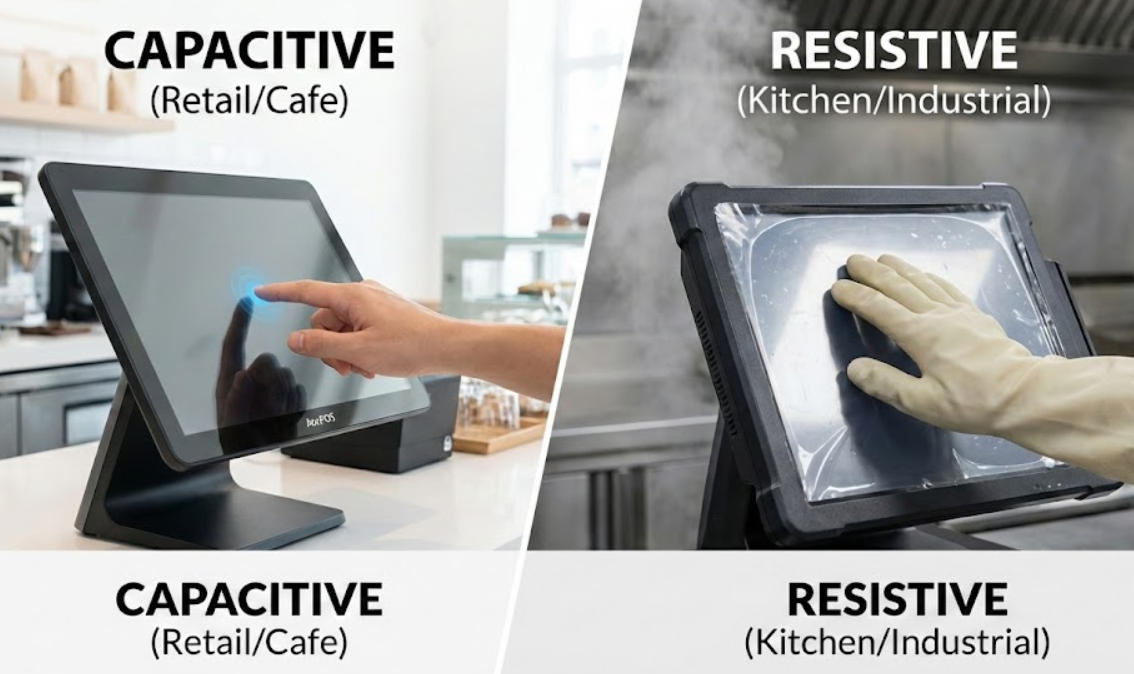
    Using your smartphone, tablet, or car's infotainment system in cold weather presents a frustrating challenge: the gloves come off, or the screen doesn't register the touch. This detailed guide explains why standard gloves fail, what technologies will work, and how you can stay connected without sacrificing warmth. 1. The Core Barrier: Understanding Capacitive Technology The reason your standard winter gloves are ineffective comes down to the fundamental physics of the device you are using. A. How Your Screen Registers Touch The vast majority of modern consumer touchscreens—including iPhones, Android phones, and most smartwatches—use capacitive touch technology. The Science: A capacitive screen is coated with a grid of transparent, electrically charged materials (often indium tin oxide). Your body naturally carries a static electrical charge. When your bare finger (a conductive object) touches the screen, it draws a small, localized amount of charge away from the grid. Registration: The device's processor detects this drop in charge and triangulates the exact point of contact, registering it as a tap or swipe input. Materials like wool, leather, cotton, and polyester are all electrical insulators. They effectively block your body's natural electrical field and static charge from reaching the screen's surface. Result: When you press an insulated glove onto the screen, the electrical field remains uninterrupted. The screen registers nothing, leading to frustration and input failure. 2. Three Proven Solutions for Gloved Touchscreen Operation If you need reliable performance without removing your gloves, you must introduce a conductive element between your skin and the screen. 2.1. Solution A: Specialized Conductive Gloves (The Reliability Choice) These are purpose-built gloves designed to mimic the conductivity of human skin. They are the most accurate and practical solution for everyday use. Material Integration Description and Performance Woven Fibers The most common type. Highly conductive materials (like silver-coated nylon, copper, or carbon) are woven into the yarn, primarily at the fingertip pads (thumb, index, middle). Coated Fingertips Gloves (often leather or thick winter materials) treated with a specialized liquid solution or conductive polymer patch on the tips. Full Glove Conductivity Less common, but some gloves feature a material mix that makes the entire hand conductive. This allows for swipes and taps using any part of the palm or finger. Pro Tip for Buyers: Look specifically for "capacitive" or "touchscreen-compatible" in the product description. Generic winter gloves will not work. 2.2. Solution B: Styluses and Pens A conductive stylus is a universal solution that bypasses the glove problem entirely. Mechanism: Modern styluses are designed with a soft, conductive tip (often rubber or mesh). The stylus acts as a highly conductive intermediary between your hand (gloved or bare) and the screen. Key Advantage: Since the stylus itself is conductive, you can wear any type of glove—even the thickest ski mittens—and still operate your device with precision. This is ideal for detailed work or digital art. 2.3. Solution C: DIY Hacks and Quick Fixes If you are caught in the cold and don't have specialized gear, you can try these quick fixes: Sew-In Conductive Thread: Purchase a spool of inexpensive conductive thread (often used in e-textiles). Sew a small, tight knot of this thread into the very tip of your existing glove fingers. This material will transfer the static charge from your skin through the fabric to the screen. The Nose/Knuckle Trick: While not ideal, the tip of your nose or your knuckle can be used to navigate a screen if the glove has to stay on, as these areas of the body are bare and conductive. 3. The Exception: Resistive Touchscreens While they are rare in consumer products, it is important to understand the alternative technology that allows any glove to work. What They Are: Resistive touchscreens work by pressure, not electrical conductivity. They consist of two electrically charged layers separated by tiny spacers. How They Work: When you apply pressure (e.g., with a gloved finger, a pen, or a stick), the top layer is forced down to meet the bottom layer. This contact registers the input. Where You Find Them: Resistive screens are still used in rugged industrial devices, older car navigation systems, factory equipment, and some point-of-sale (POS) systems where the user may frequently wear heavy work gloves. Screen Type Input Required Glove Compatibility Capacitive (Modern Phone/Tablet) Electrical Charge Only conductive gloves or styluses. Resistive (Industrial/Old GPS) Physical Pressure Any glove or object.
  • What Are the Common Causes of Touch Screen Malfunctions in Self-Service Kiosks and ATMs?
    What Are the Common Causes of Touch Screen Malfunctions in Self-Service Kiosks and ATMs? Dec 08, 2025
    When a self-service machine (ATM, ticketing kiosk, payment terminal) stops responding to touch, it causes immediate frustration for customers and downtime for operators. While the symptom is simple—the screen is unresponsive—the underlying causes can be complex, spanning physical damage, system errors, and environmental factors. Understanding the root cause is the first step toward fast and efficient maintenance. Here is a comprehensive guide to the most common causes of touch screen failure in commercial-grade self-service machines. Hardware-Related Failures (The Physical Breakdown) These causes relate to the physical components of the machine and often require inspection and replacement of parts. 1. Degraded or Damaged Touch Overlay/Panel The primary cause of non-responsiveness is the physical deterioration of the screen itself. Commercial touch screens rely on highly sensitive surfaces, and their failure modes differ based on their underlying technology: Capacitive Screens (PCAP): These use an electrical field. A deep scratch, crack, or prolonged liquid exposure can break the conductive layer, leading to dead zones where the electrical field cannot register a touch. Resistive Screens: These use two flexible layers pressed together by your finger. Constant, heavy use can cause the layers to wear out or delaminate, requiring more force to register input or causing failure altogether. Infrared Screens: These use an array of light beams around the bezel. If the screen's frame is bent, cracked, or obscured by heavy grime or stickers, the beams are broken permanently, resulting in a constant "phantom touch" or complete failure. 2. Loose or Faulty Internal Cabling Touch screens rely on dedicated flat flex cables or standard data cables (e.g., USB, HDMI) to transmit input data from the touch controller board to the main computer. Vibration and Stress: Machines in high-traffic areas (e.g., next to heavy doors or industrial equipment) experience constant vibration. This can cause cables to slowly unseat or become loose from their connectors, leading to intermittent connections or erratic behavior often termed "ghost touches." Fix: Inspect and reseat all connection cables between the display, the controller, and the PC. 3. Controller Board Malfunction The touch controller is a small, dedicated circuit board that processes the raw touch input before sending it to the operating system. If this board suffers a thermal event (overheating), a power surge, or simply reaches the end of its operational life, it will fail to translate the physical touch into a digital signal. The main computer may register the physical monitor, but the touch input device will disappear from the list of connected peripherals. Software, Driver, and Calibration Issues (The Digital Barrier) Sometimes, the hardware is fine, but the machine's operating system (OS) is unable to communicate with it correctly. 1. Outdated or Corrupt Touch Drivers Every hardware component needs a software driver to interface with the OS (Windows, Linux, etc.). OS Update Incompatibility: A common scenario is a recent mandatory OS update that breaks compatibility with older, proprietary touch drivers. The OS no longer knows how to interpret the data stream from the touch controller, rendering the screen useless. Driver Corruption: System crashes, sudden power loss, or malware can corrupt the driver files, preventing the system from initializing the touch function upon startup. 2. Improper or Lost Calibration Calibration is the process of precisely mapping the physical screen coordinates to the digital coordinates reported by the OS. Why it Fails: This is particularly relevant for older resistive screens. Calibration can be lost due to a hardware reset or a corrupt configuration file. The Result: The screen either doesn't respond at all, or it responds to an entirely different part of the screen than where the user touched (e.g., you tap the "Yes" button, and the system registers a touch on the "No" button). 3. System Resource Exhaustion If the kiosk’s main application or OS is suffering from a massive memory leak or excessive CPU utilization, the system may become too sluggish to process user input in real-time. The user taps the screen, but the input is placed in a processing queue that is backed up. The user perceives the screen as "unresponsive" when in reality, the computer is just too slow to act on the command immediately. A system reboot often clears this issue temporarily. Environmental and Operational Stress (The External Factors) Public-facing machines are highly susceptible to factors in their immediate surroundings. 1. Excessive Debris, Grime, or Spilled Liquids This is the most easily preventable cause, yet it's incredibly common. Around the Bezel: Heavy dirt, dust, or sticky residues built up around the edges of the display can obstruct the infrared beams or interfere with the capacitive field, leading to inaccurate input or constant phantom touches. On the Screen: Unlike phones, self-service screens are often exposed to spills. Even after the screen dries, the sugary or acidic residue can create conductive paths that trigger unwanted or erratic touches. 2. Extreme Temperature Fluctuations Self-service machines placed outdoors or near HVAC vents can suffer extreme thermal stress. High Heat: Excessive internal heat causes electronic components, including the touch controller, to operate outside their specified range, leading to thermal throttling (slowdown) or outright failure. Extreme Cold: In very cold environments, certain display layers and the liquid crystal display (LCD) response time can slow down, leading to perceived lag or non-responsiveness. 3. Electromagnetic Interference (EMI) While rare, strong external electromagnetic fields can disrupt the delicate low-voltage signaling used by the touch system. Sources: Placing a kiosk too close to industrial motors, high-power speakers, or powerful broadcasting equipment can induce electronic noise into the cabling or the controller board, causing intermittent and random touch responses. Summary and Maintenance Tips To maximize uptime and ensure accurate touch functionality, implement a rigorous maintenance schedule: Scheduled Cleaning: Regularly clean the screen and, critically, the edges and bezels to remove grime and debris. Regular Driver Checks: Ensure the touch screen drivers and firmware are up-to-date and compatible with the latest OS version. Physical Inspection: Periodically check and secure all internal cabling to prevent loose connections caused by vibration.
  • What is the Fundamental Difference Between a Self-Service Machine and a POS System?
    What is the Fundamental Difference Between a Self-Service Machine and a POS System? Dec 08, 2025
    The distinction between a Point of Sale (POS) machine and a Self-Service Machine (often called a kiosk) centers on who is operating the device and its primary operational role within the business. The POS System is the comprehensive, staff-operated central hub for sales, business management, and reporting. The Self-Service Machine is a customer-facing terminal designed specifically to streamline the ordering, scanning, and payment processes, reducing the need for direct staff involvement in every transaction. Defining the Core Components Achieving a high ranking requires defining the terms clearly for both Google and the reader. 1. What is a POS (Point of Sale) System? A POS system is a combination of hardware and software used by a business to finalize transactions. Crucially, it serves as the central nervous system for the entire operation. Primary User: Trained staff or cashier. Role: Comprehensive financial management, order entry, employee clock-in/out, inventory tracking, and running detailed sales reports (e.g., daily sales, best-selling items, labor costs). Location: Usually behind the counter, server station, or fixed service point. 2. What is a Self-Service Machine (Kiosk)? A self-service machine or kiosk is a dedicated, public-facing terminal designed for quick, independent customer interaction. Primary User: The customer. Role: Facilitating fast order placement, product scanning, and payment completion, shifting the burden of data entry from the employee to the consumer. Location: High-traffic customer areas like store entrances, dining halls, or waiting areas. A Side-by-Side Comparison of Features and Hardware To cement the comparison, here is a detailed breakdown of how the two technologies differ in practice. Feature Category POS Machine (Staff-Operated) Self-Service Kiosk (Customer-Operated) Operational Scope Comprehensive. Manages refunds, complex discounts, loyalty programs, staff permissions, and back-office reports. Transactional. Focuses purely on product selection, customization, and payment processing. System Interface Designed for staff efficiency, often featuring complex menus and detailed inputs for inventory management. Designed for User Experience (UX), featuring large buttons, clear visuals, and intuitive guided workflows. Hardware Smaller touchscreen monitor, cash drawer, dedicated receipt printer, magnetic card reader, optional handheld scanner. Large, durable, tamper-resistant touchscreen display, built-in payment terminal, dedicated stand/enclosure. Connectivity Deeply integrated with back-office software (inventory, labor, accounting). Primarily integrated with the Kitchen Display System (KDS) or order fulfillment queue. Cost Lower initial hardware cost, but tied to comprehensive software licenses. Higher initial hardware cost (due to size and durability) but potentially lower long-term labor costs. When to Use Which System: Ideal Applications Deciding which system to invest in depends entirely on your business model and operational goals. When to Prioritize the POS Machine The POS machine is indispensable when transactions require human judgment and intervention. Full-Service Restaurants: For managing complex table service, splitting checks, serving alcohol (age verification), and handling server tips. Specialized Retail (e.g., Jewelry, Electronics): When sales involve extensive product knowledge, upselling guided by staff, or handling high-value security requirements. Service-Based Businesses (e.g., Salons, Repair Shops): Used for booking appointments, managing client histories, and processing service-based invoices. When to Implement a Self-Service Kiosk Kiosks are a powerful tool for streamlining high-volume, repetitive processes. Quick-Service Restaurants (QSR) & Fast Casual: Reduces queues, allows customers to customize orders perfectly, and boosts average order value (AOV) through automated upsells. Retail Groceries & Pharmacies: Provides a quick checkout option for customers with a few items (self-checkout). Entertainment & Travel: Used for ticket purchasing, printing boarding passes, or checking into hotels. Business Impact: A well-placed kiosk can significantly reduce labor costs and increase order accuracy, while the POS machine remains vital for inventory control and detailed financial auditing. Which System is Right for Your Business? A successful modern business often requires both systems working in harmony. To determine your priority, consider the following: Do you require staff to manage inventory and labor? POS System is essential. Is your business high-volume and order accuracy critical? Self-Service Kiosk is a high-value investment. Do you want staff to focus on customer service instead of data entry? A combination is best. Use kiosks for ordering, and POS systems for exceptions (returns, large orders, staff overrides).
1 2

A total of2pages

Need Help? Chat with us

leave a message
For any request of information or technical support, fill in the form. All fields marked with an asterisk* are required.
Submit

Home

Products

whatsApp

contact